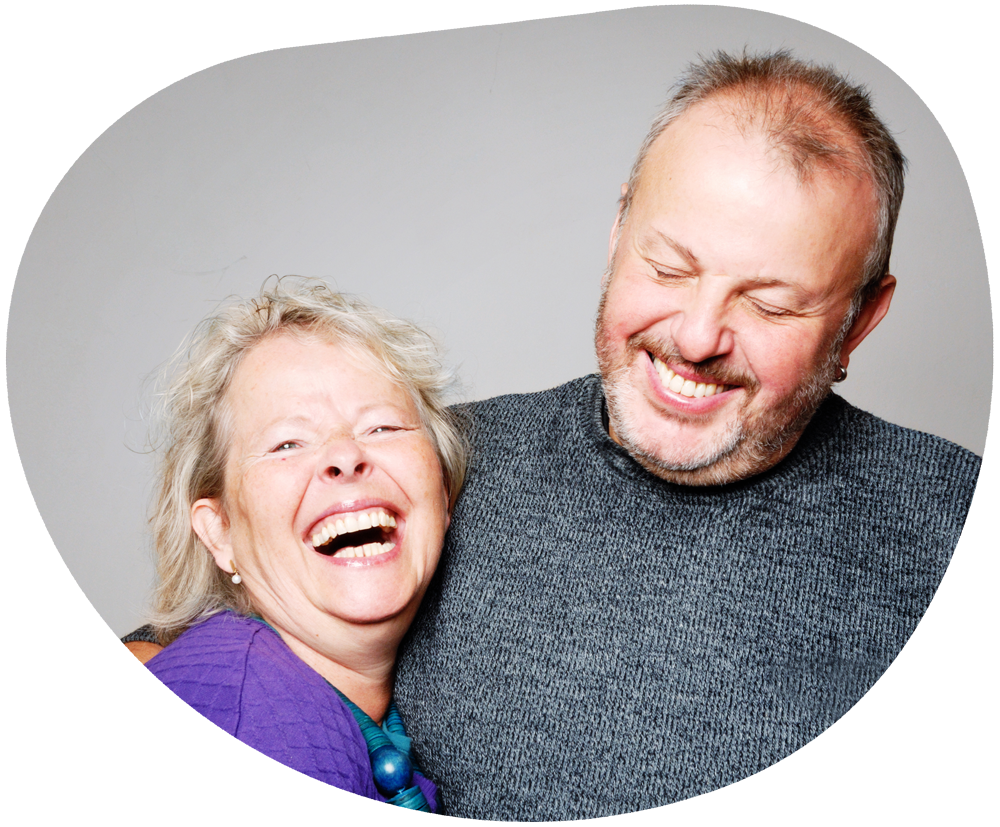
A man and woman embracing each other and smiling affectionately.

Type 2 Diabetes REMISSION

Type 2 diabetes no longer needs to be thought of as a lifelong condition. Research shows that losing 10-15kg in the first few years after diagnosis can reverse it. The NHS Tayside diabetes remission programme is here to support you on that journey. Find out more below.
Enrol in the Programme

reversing type 2 diabetes: why weight loss is important

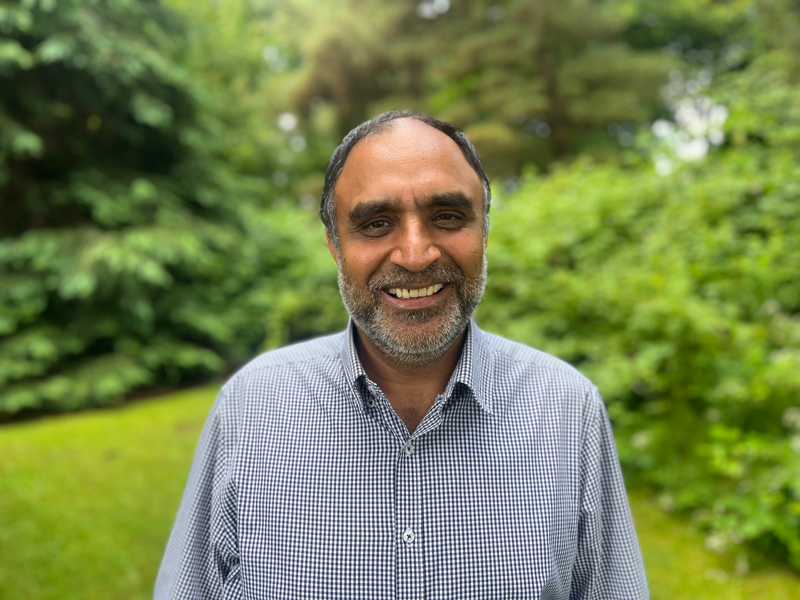
A man with a beard, wearing a blue checked shirt, smiles warmly while standing outdoors.

What does it mean to reverse Type 2 diabetes?
Reversing Type 2 diabetes means getting your blood sugar back to normal (or near normal) levels without needing medication. This is possible for many people if they lose 10-15kg (about 2 stone) in weight soon after they're diagnosed.

Why is it called "remission" and not a "cure"?
We say "remission" instead of "cure" because if weight is regained, then diabetes will return.

How does weight loss help?
Losing weight is really important because it gets rid of extra fat in your liver and pancreas. Too much fat in these organs makes it hard for them to control your blood sugar. When you lose weight, they can work normally again.

Want to learn more?
Watch the short YouTube video below to learn more about how losing weight can help reverse Type 2 diabetes.

take action today

Type 2 diabetes is serious. On average, it shortens lives by 5 years. People diagnosed under 40 can lose up to 15 years.

You might feel okay just now, but diabetes can cause serious health problems over time. The good news is, you can reverse it!
Losing weight can put your diabetes into remission and help you live a longer, healthier and happier life.

Remission can lower your risk of serious health problems and help you stop medications.
Watch this video to learn more about Type 2 diabetes remission.

About the programme

The programme aims to help you lose weight, reduce medications, and reverse your diabetes.

who can join?

To join the programme, you must:
  • Be 18-65 years old
  • Have been diagnosed with Type 2 diabetes within the last 3 years
  • Have a HbA1c result of 48 or higher, or 43 or higher if taking diabetes medication
  • Be motivated to lose weight and able to attend regular group sessions
  • Be comfortable using meal replacements for 12 weeks
  • Be willing to attend group sessions via NHS Near Me video conferencing
  • Be registered with a GP practice in Angus, Dundee, or Perth and Kinross

Remission programme: how it works

This programme combines healthy eating, medical checks and psychological support. It lasts for 6 months.

Phase 1: Total Diet Replacement (12 weeks)
You'll replace all meals with soups, shakes and bars. These provide 800-900 calories per day and have all the nutrients you need. This can help you lose 15kg (2 and a half stone) or more. Most people find they stop feeling hungry after the first few days. Diabetes and blood pressure medications are stopped or adjusted during this time and we will give you equipment (if you need it) to monitor your blood sugars and blood pressure from home.

Phase 2: Food Reintroduction and Weight Loss Maintenance (14 weeks)
You'll start eating regular foods again and gradually increase your calorie intake by gradually adding one calorie-controlled meal at a time to your diet. We'll give you guidance on this. This phase is a chance for you to start building new and sustainable eating habits. We'll support you to keep the weight off that you've lost with fortnightly group sessions.

How and where it Runs

Groups sessions: The programme is run in groups of around 15 people, led by Dietitians and Psychologists.

Why groups? We understand that a group setting isn't for everyone, but this format allows us to offer the programme to more people. Research shows that those who participate in groups often achieve more weight loss, and also benefit from the shared experience with others in a similar situation.

Online and in-person: Most sessions are held online via the NHS 'Near Me' video call platform, so you can join from home. We also have four in-person sessions at the Wellgate Library in Dundee to provide opportunities to meet face-to-face.

IS A TOTAL DIET REPLACEMENT plan FOR ME?

"Healthy eating" plans for weight loss can be tough because of the daily decisions about what and how much to eat. A Total Diet Replacement plan makes it simpler, but it's not the best choice for everyone.
Here are some things to think about:
1. Am I ready for this? You'll only have soups and shakes for 12 weeks. This takes commitment, but it's often easier than people expect. Think about how this compares to the long term effects of being overweight and having diabetes.

2. Do I have support? Eating is often a social thing, and this programme will change routines with friends and family. It's important to talk to them about it beforehand so they can support you.

3. Am I ready to make long term changes? The hardest part is keeping the weight off after you lose it. You need to be committed to a healthy lifestyle for the long term.

Programme Benefits

55%
achieve diabetes remission by 3 months
17kg
Average weight loss (13.6% body weight)
95%
of people would recommend the programme
£0
Available though NHS Tayside at no cost to you
"
"Such a life changing experience! Although the start seems daunting, the support and continual communication was fantastic. The first 12 weeks will fly past and food reintroduction will be the start of an even better you. You will love the end results. After 12 months, I am in remission!"
Lucy
, Age 
39
Programme:  
Type 2 Diabetes Remission

MEET THE TEAM

Our team combines expertise in diabetes, nutrition and psychology to deliver evidence-based, personalised care. We'll work alongside you throughout your remission journey, providing practical support, expert guidance and encouragement to help you achieve your goals.
GT
Dr. George Thom
Remission Programme Lead
Dr. Thom was part of a major study that showed it's possible to reverse Type 2 diabetes by losing weight. He makes sure our programme uses the latest research and best practices.
GT
Dr. Gavin Taylor
GP
Dr. Taylor is our medical advisor. He guides the team on changes to medications to make sure the programme is safe.
R&J
Reece Leitch & Jed Davidson
Dietitians
Reece and Jed will give you expert advice and support on weight management and diabetes remission. They'll also keep a close eye on your blood sugars and blood pressure.
HD
Dr. Hannah Dale
Health Psychologist
Hannah will support you to develop practical strategies to make lifestyle changes, overcome challenges, and build the confidence needed to create sustainable, healthy habits.
ADMIN
Susan King, Linda Scott & Lorna Murray
Administrative Team
Our admin team works hard behind the scenes to make sure everything runs smoothly for you.

PROGRAMME TIMELINE

Find out more about what is involved in each phase of the NHS Tayside Type 2 diabetes remission programme below.

GETTING STARTED

After you complete the self-referral sign up form (above), we'll be in touch to let you know it has been accepted. We will then schedule an initial online appointment with one of the Remission Team.

During this appointment, we'll check your medical history and medications, provide you with more details on the programme, and if you decide to proceed, we'll discuss the next group start dates.

We'll also arrange equipment for monitoring your blood sugars and blood pressure and a sample of meal replacements to choose your preferred flavours.

phase 1: TOTAL DIET REPLACEMENT

(12 WEEKS)

For the first 12 weeks, you'll replace all meals with low-calorie soups, shakes and bars (800-900 calories/day). The aim is to lose around 15kg (or 15%) of your body weight, as this has been shown to offer the best opportunity for remission.

Medications for blood sugar and blood pressure are usually stopped for safety reasons as they fall with weight loss. You'll monitor these at home and report them to the team.

Fortnightly group meetings with a Dietitian or Health Psychologist will guide you through phase 1. Most sessions are online, but there's in-person meetings at the start and end so you can meet others on the programme, and we can check your weight, blood sugars (HbA1c) and blood pressure.

Phase 2: FOOD REINTRODUCTION

(4 WEEKS)

During phase 2, you'll receive guidance on reintroducing healthy meals and establishing new routines. You'll replace shakes/soups/bars with calorie-controlled meals and continue to attend fortnightly group sessions. You'll also keep monitoring your weight, blood sugars, and blood pressure, and start to focus more on increasing physical activity (if you are able).

phase 3: WEIGHT LOSS Maintenance

(10 weeks)

This phase focuses on maintaining your weight loss and firmly establishing 'new-normal' lifestyle habits. You'll continue receiving support from the team through fortnightly group sessions, focusing on the fundamentals of weight management, including understanding your eating patterns and managing challenges like stress and emotions. The 6-month programme concludes with an in-person session to take final measurements and celebrate your achievements!
Click the button below to enrol in the programme.

FAQs

Frequently asked questions about our Type 2 diabetes remission programme

Diabetes medication is usually stopped on day 1 of the low calorie diet (not before this point). Blood pressure medications also need to be reduced if you are taking these. We will work with you and your GP/nurse to adjust your medications, ensure your safety and monitor your progress.

Self-refer using the link above! Or, talk to your GP, Practice Nurse or healthcare provider.

Thousands of people in the UK have been successful using this approach. In the first few days some people feel hungry and find it difficult, but once the diet is underway hunger is not usually a problem, which may come as a surprise. This is because after 2-3 days of low calorie intake, the body uses stored body fat for energy (to make up for the short fall in calorie intake). When the body is using fat for energy, something called ‘ketones’ are produced. Ketones act to suppress appetite by reducing the hunger hormone ghrelin.

During the early days of the low calorie diet, headache and fatigue are not unusual, but settle down after a few days. Constipation is quite common but avoidable. We advise all participants to take Fybogel (a fibre supplement) from the beginning of Total Diet Replacement and this can be purchased from chemists or supermarkets, or arranged through your GP practice.

Intense exercise is best avoided during this time as it can stimulate appetite and increase desire to eat. A sensible walking programme or maintaining usual light activity levels during this stage is advised. Physical activity is introduced and discussed in the next stage of the programme.

Planned breaks can be taken for special occasions or significant change in circumstance. However, these can break momentum and ideally should be kept to a minimum.

If you do regain weight, a short period of Total Diet Replacement can be offered.

This programme is not for everyone. It is worth discussing with family, friends and health care providers but only you can decide whether this is the right type of weight management programme for you. Some people cannot tolerate the Total Diet Replacement due to taste or texture.

The Total Diet Replacement products are Kosher and Halal certified. Products are not suitable for people following a lactose free diet, and there is only a limited range of flavours that are vegan friendly. All products may contain gluten through cross-contamination.

Your GP will be aware of the remission programme and would be kept informed of your progress.

Yes – aim to lose 10-15kg using the approach most agreeable to you. Before starting, it is essential that you discuss your plans with your healthcare professional, particularly if you are taking medication for diabetes and/or blood pressure as these may need to be adjusted to keep you safe. If you plan to use a Total Diet Replacement, there are many products on the market. Be aware that not all are suitable.

No. Dietary weight loss by any means is successful, but it is most easily achieved by a Total diet Replacement (shakes/soups) of around 800-900 calories per day followed by sustained sensible dietary habits. Research suggests that traditional weight loss diets are unsuccessful for most people to achieve the 10-15kg weight loss required for remission of Type 2 diabetes. Individual preferences are important though, so choose what works best for you to lose the weight.

The time it takes to lose the weight is unimportant, but losing weight rapidly using a strict approach is often easier and more successful than a long drawn out effort.